A discussion on the current state of the European Citizens' Initiative in Bulgaria took place at the Bulgarian Chamber of Commerce and Industry
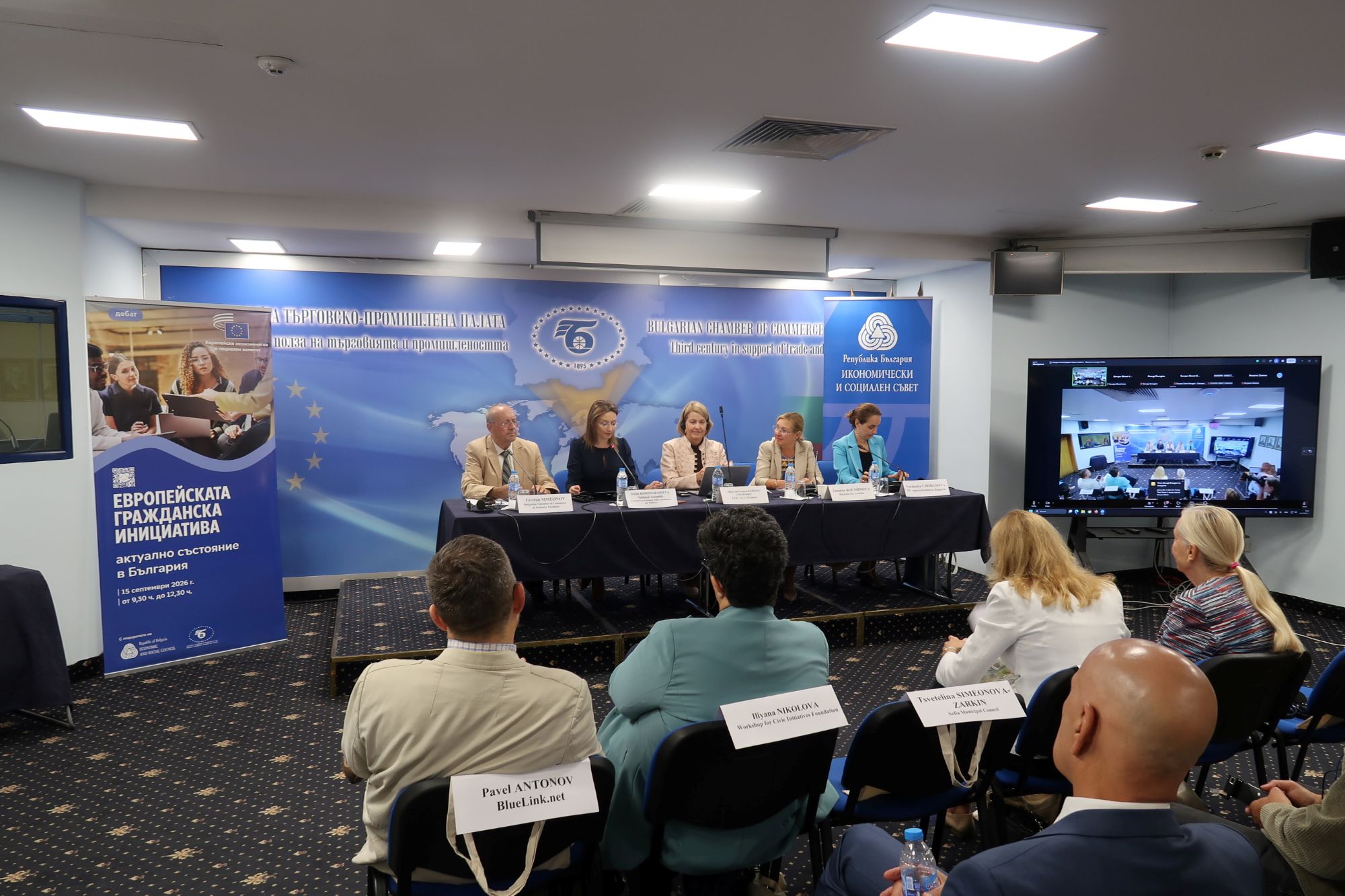
The Bulgarian Chamber of Commerce and Industry hosted a discussion dedicated to the current state and future of the European Citizens' Initiative (ECI) in Bulgaria. The event was organized by the European Citizens' Initiative group within the European Economic and Social Committee, with the support of the Economic and Social Council of Bulgaria (ESC) and the Bulgarian Chamber of Commerce and Industry (BCCI).
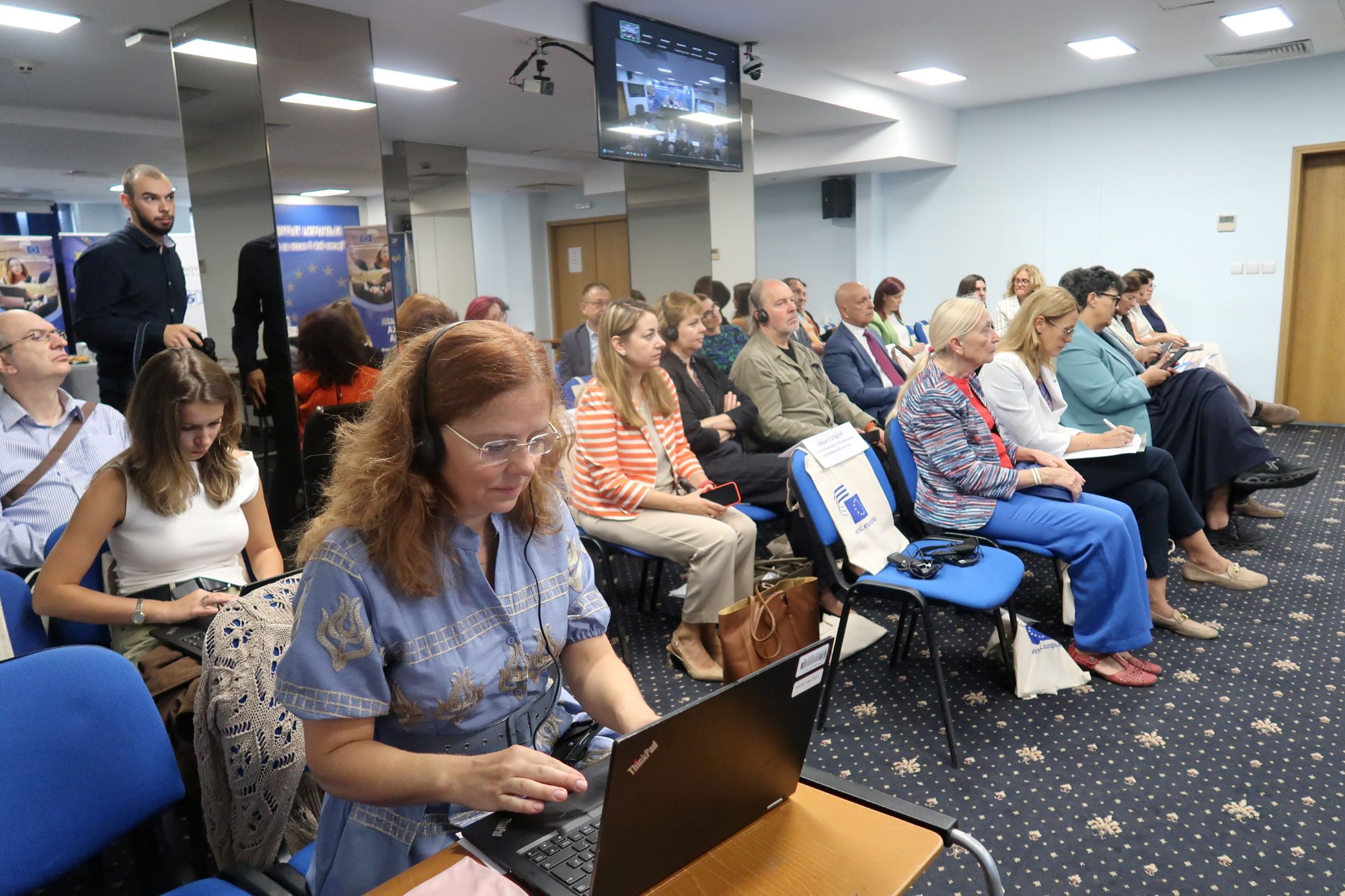
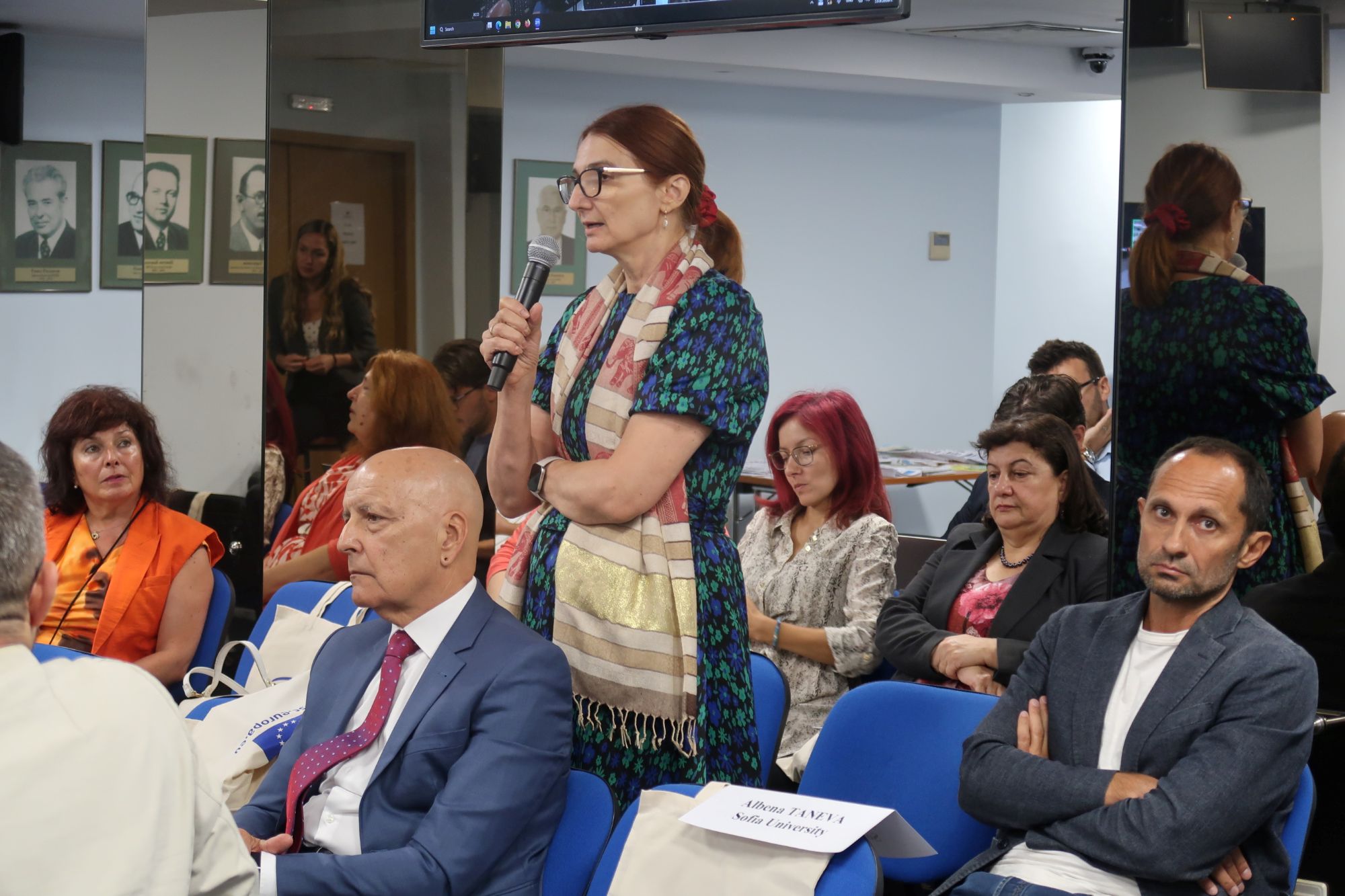
Representatives of European and Bulgarian institutions, social partners, civil society organizations, universities, and other stakeholders took part in the discussion.
The event was opened by Svetla Kodzhabasheva, a member of the Committee on Economic Policy, Investment, and Industry of the 52nd National Assembly, who emphasized that Bulgarian citizens possess ideas and experience and deserve to be part of collective decision-making processes. She noted that fostering more active civic participation requires making information more accessible and providing practical support—ensuring people know where to start, whom to turn to, and how to find partners and like-minded individuals.
She highlighted the role of institutions, social partners, civil society organizations, and universities in encouraging civic participation. The European Citizens' Initiative offers an opportunity for a cause to transcend national borders, unite citizens from different Member States, and reach European institutions.
BCCI President Tsvetan Simeonov thanked the European institutions for the proposal to host the discussion and emphasized the importance of more active civil society engagement with processes within the European Union.
"For us, this event is an opportunity to initiate more active efforts to engage civil society in matters concerning the European Union," Simeonov stated. He noted the need for the sustainable development of both civil society and the economy, as well as the importance of efforts to curb corruption.
Tsvetan Simeonov highlighted that one of the challenges lies in encouraging citizens to voice their views and participate actively in public life. He expressed the BCCI's readiness to help promote the European Citizens' Initiative beyond Sofia, including through the Chamber's regional network.
Zornitsa Roussinova, President of the Economic and Social Council, noted that Bulgaria’s performance regarding the European Citizens' Initiative highlights the need for greater engagement and awareness.
"Few organizations are familiar with the parameters and the way European citizens' initiatives are organized, both within our country and at the European level," Roussinova pointed out. In her view, employers' organizations, trade unions, civil society organizations, universities, and institutions play a vital role in disseminating information and encouraging civic participation.
Maria del Carmen Barrera Chamorro, Chair of the EESC’s "European Citizens' Initiative" Group, emphasized the importance of continuous civic dialogue and participation.
According to her, democratic institutions face various challenges, including the spread of disinformation, while citizens seek greater involvement in decision-making processes that affect their lives. She noted that sustainable democratic governance requires continuous engagement, open dialogue, and genuine opportunities for citizens to influence public policy.
Chamorro presented the European Citizens' Initiative as a transnational tool for democratic participation that enables citizens from EU member states to unite around shared proposals and submit them to the European Commission.
Members of the ESC representing the Employers' Group—Lachezar Iskrov and Monika Panayotova—and the Civil Society Organisations Group—Iliyana Nikolova and Elitsa Barakova—participated in the event.
The discussion concluded with a review of the current status of the European Citizens' Initiative in Bulgaria and ways to increase its visibility and boost civic participation.