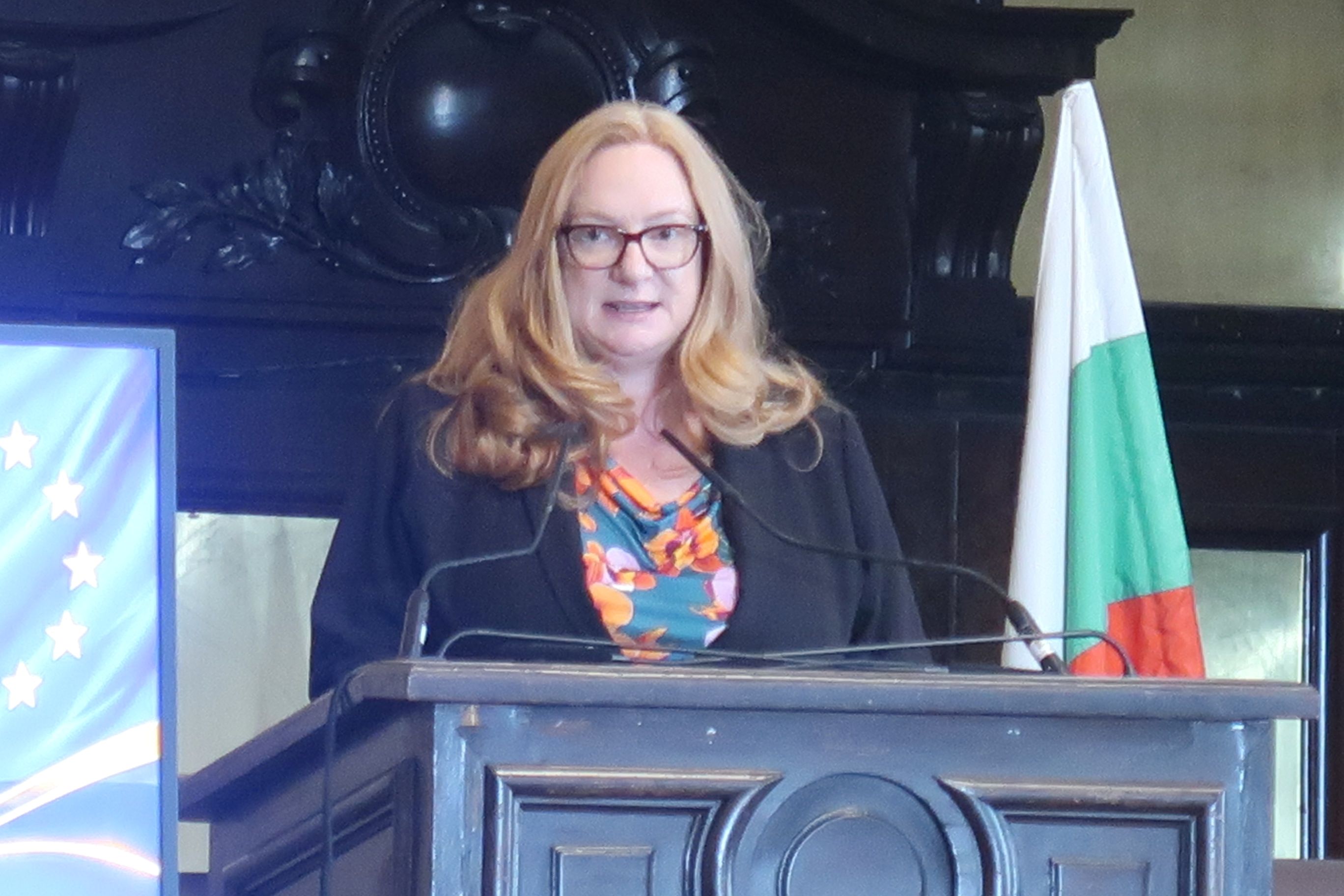
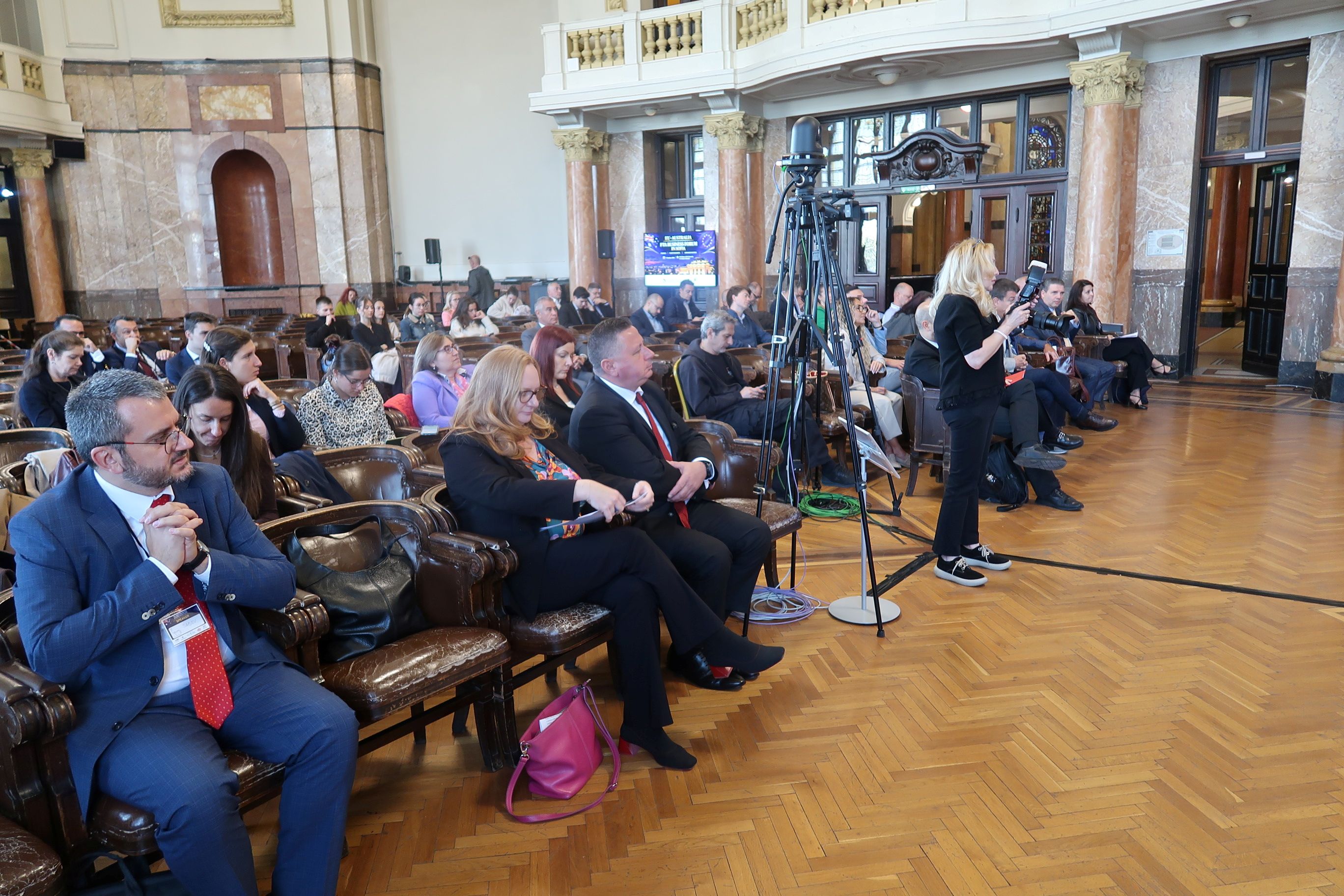
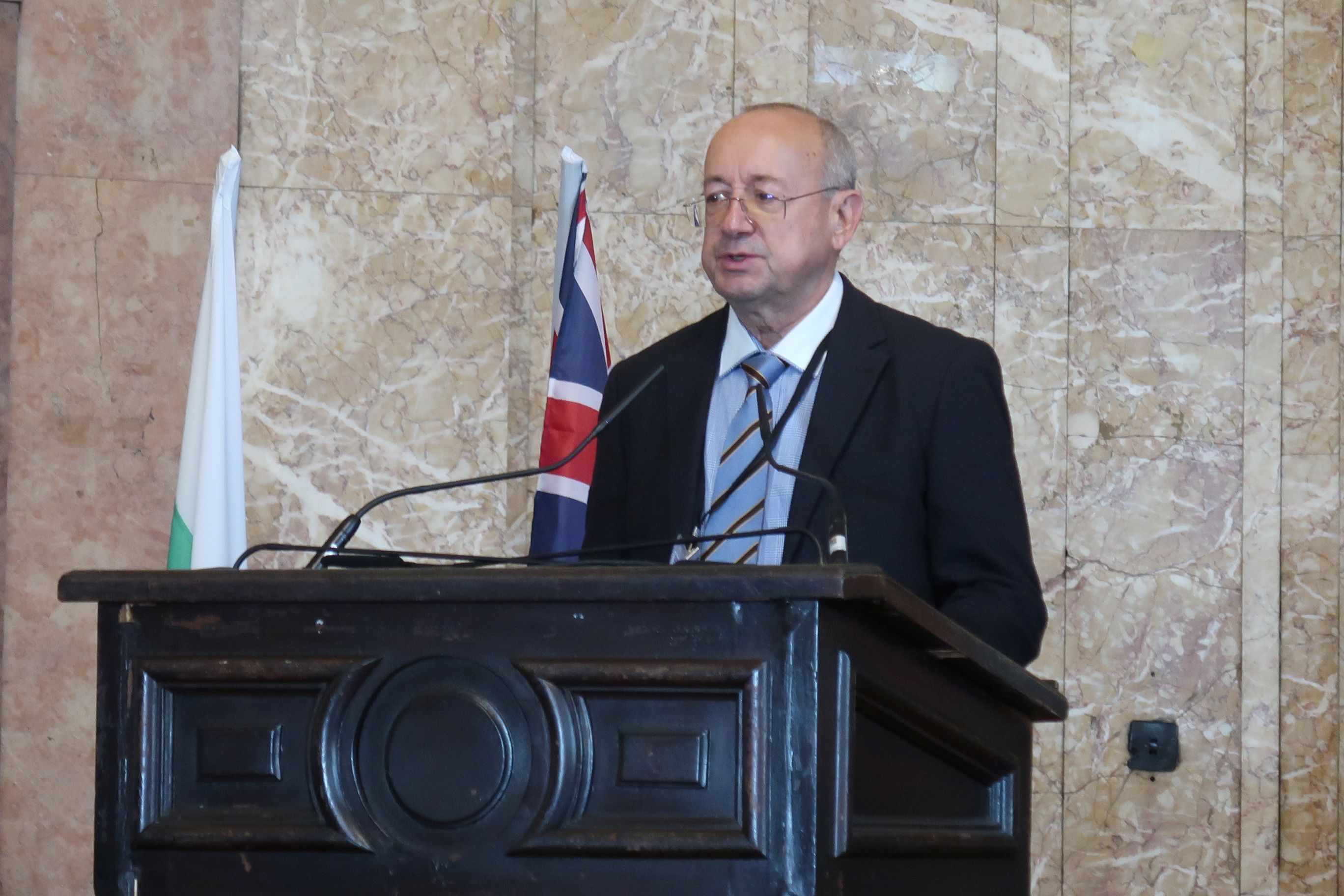

Representatives from the Bulgarian and Australian businesses, state institutions, the European Commission, trade organizations, and academia gathered at the forum "EU–Australia FTA: What It Means for Bulgarian Business," held in the Aula Magna of Sofia University "St. Kliment Ohridski."
The event was organized by the Bulgarian-Australian Business Chamber, the Bulgarian Chamber of Commerce and Industry (BCCI), the Faculty of Economics and Business Administration at Sofia University, and the Embassy of Australia to Greece, Bulgaria, and Romania.
The Bulgarian-Australian Business Chamber served as the primary initiator of the event. Her Excellency Alison Duncan, Ambassador of Australia, presented the anticipated economic impact of the agreement, including a contribution of approximately €4 billion to the EU's GDP by 2030, a nearly 30% increase in EU exports to Australia, and annual customs duty savings of around €1 billion for European companies. She highlighted the significance of reduced trade barriers and administrative burdens, particularly for small and medium-sized enterprises.
Deputy Minister of Foreign Affairs Hristo Polendakov noted the remarkable growth in Bulgarian exports to Australia, which surged by over 141% over the past decade—rising from $25 million in 2015 to $60 million in 2025. Among the key product categories with high growth potential, he highlighted pharmaceuticals, machinery, medical devices, agricultural and food products, essential oils, and chemical products. Furthermore, he emphasized strong opportunities for cooperation in clean technologies, renewable energy, high-tech manufacturing, the space industry, sustainable agriculture, and innovation.
The President of BCCI, Mr. Tsvetan Simeonov, highlighted that the agreement creates valuable opportunities not only for trade and investment, but also for knowledge sharing and the exchange of best practices between businesses from both nations. He cited the Australian agricultural sector as a benchmark for good practices, from which Bulgarian producers can draw valuable insights to enhance their global competitiveness.
Simeonov also noted the forum's role in fulfilling his commitments as a representative of the European Commission's EU Trade Champions Network initiative, aimed at promoting the tangible benefits of EU trade agreements. He recalled the longstanding partnership between BCCI and Australian business organizations—dating back to 1987—and outlined future avenues for bilateral cooperation across the food and beverage industry, agriculture, tourism, and other key sectors.
The forum featured four thematic panels focused on clean energy and critical raw materials; digital trade, ICT, and artificial intelligence; high-tech manufacturing, pharmaceuticals, and medical technologies; and agrifood and premium products.
Overall, the event focused on converting the strategic opportunities created by the agreement into actionable business contacts, commercial partnerships, and investment projects between Bulgaria and Australia.