The President of BCCI Mr. Tsvetan Simeonov participated in the 114th Session of the International Labour Conference
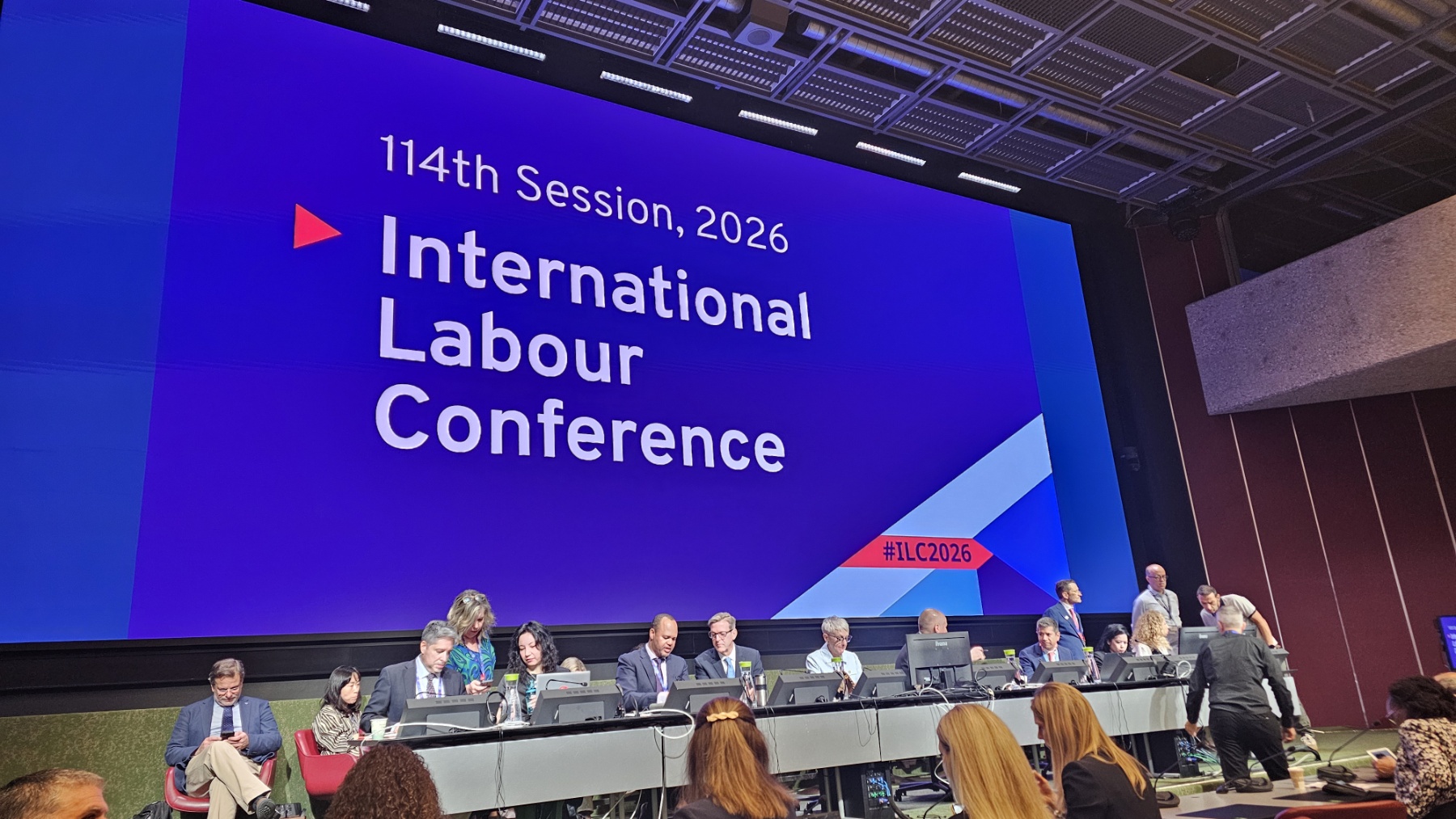
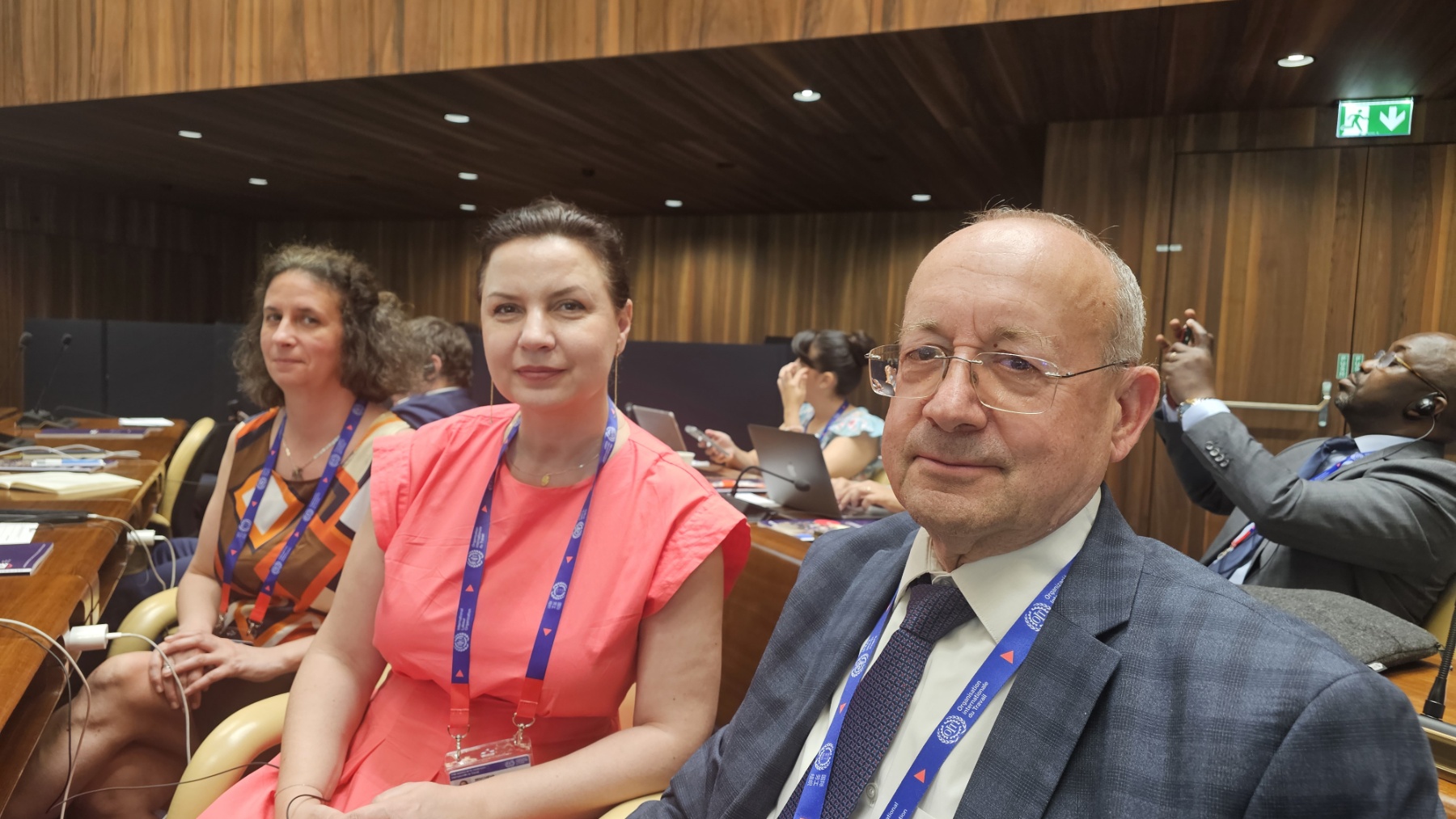
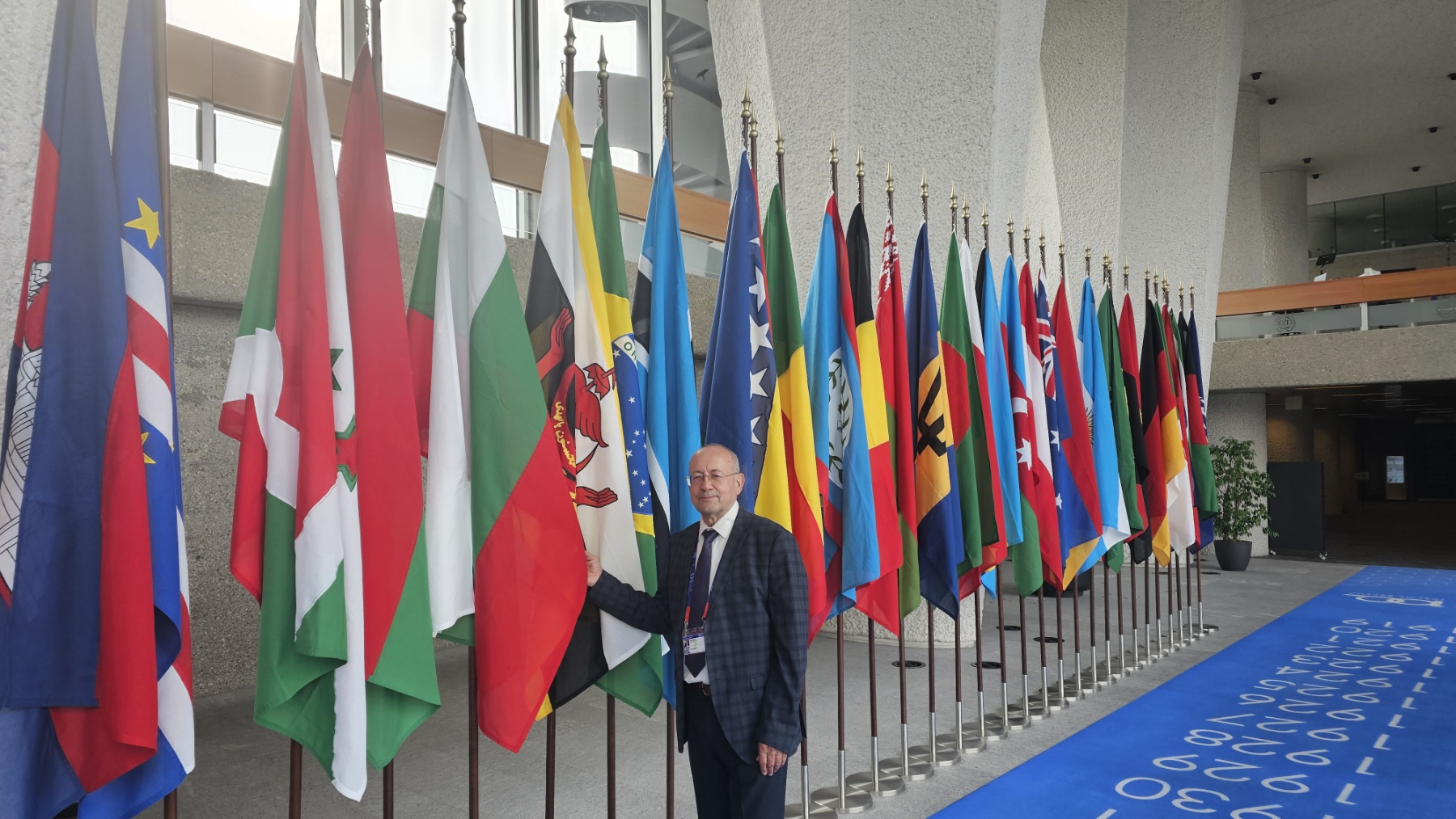
The 114th Session of the International Labour Conference (ILC)—the highest decision-making body of the International Labour Organization (ILO)—commenced on June 1 at the Palace of Nations in Geneva, bringing together tripartite delegations from the organization's 187 member states, including Bulgaria.
The Bulgarian Chamber of Commerce and Industry (BCCI) is represented by Mr. Tsvetan Simeonov, President of the Executive Board, serving as an alternate delegate for employers. Bulgaria’s employer delegate for this year's session is Ms. Maria Mincheva, Vice President of the Bulgarian Industrial Association.
This year's conference focuses on key agenda topics such as social and tripartite dialogue, decent work for digital platform workers, gender equality in the job market, and matters concerning employment, peace, crisis prevention, and resilience.
During his visit to Geneva, Tsvetan Simeonov also participated in the General Council of the International Organisation of Employers (IOE), which was followed by a high-level forum featuring leaders of employer organizations from around the world and representatives from the World Bank.
In her opening remarks, the President of IOE Jacqueline Mugo pointed out that the biggest challenges for the employers today are adapting to a volatile economy, boosting jobs for young people, and keeping businesses competitive.
The Secretary-General of the IOE, Roberto Suárez, presented the organization's Annual Report for the 2025–2026 period. He emphasized the IOE's role in defending the employers' interests and identified key challenges such as the growing pressure for wage increases, managing labour migration, integrating migrants into the job market, gender equality, and ensuring occupational safety and health.
A large part of these priorities is reflected in the activities of BCCI. Since November 2024, the Chamber has been implementing the project 'Functionally Sustainable Migration and Integration in Bulgaria' (FUMI in Bulgaria), aimed at promoting legal labour migration and improving interaction between institutions, employers, and job seekers from third countries. Within the framework of the project, two national roundtables were organized with the participation of state institution representatives, alongside meetings with employers in Burgas, Plovdiv, and Sofia, as well as job fairs connecting employers and migrants.
Concurrently, BCCI is implementing the project 'Prevention of Risks for Occupational Safety and Health', funded under a program of the Ministry of Labour and Social Policy. In 2025, 50 trainings were conducted under the project, with the participation of 1,254 representatives from small and medium-sized enterprises, regional chambers, sector organizations, and local structures of BCCI.
The IOE General Council continued with a panel discussion dedicated to the business resilience in the face of global uncertainty. Key topics included trade restrictions, energy crises, economic shocks, and the need to improve the business environment. The World Bank's B-READY initiative, which assesses business and investment climates across different countries, was also presented.
The representative of the Association of the Organizations of Bulgarian Employers (AOBE), Maria Mincheva, addressed the delegates of the 114th Session of the ILC. She noted that the theme of this year's report—„The Use of Artificial Intelligence in Support of the Decent Work“—is highly relevant, as AI is already transforming labour markets, enterprises, and work organization worldwide.
According to Bulgarian employers, “we must ensure that the digital transformation does not deepen inequalities between countries, enterprises, or workers. Artificial intelligence must not become a source of new divisions, but rather a tool for stronger economies, better jobs, and sustainable growth.”