The National Assembly lifted the ban on the export of petroleum products to other European Union Member States
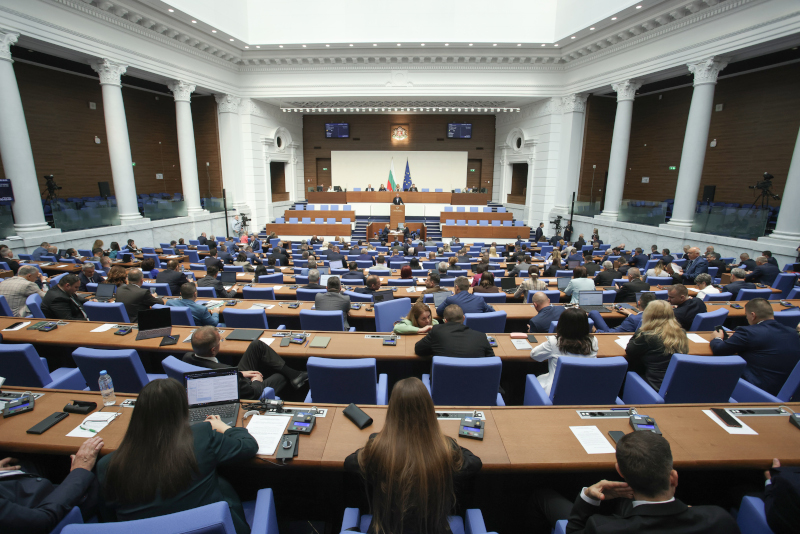
The National Assembly repealed its decision of 31 October 2025, which temporarily banned the export and intra-community supplies to European Union (EU) Member States of petroleum products, mainly diesel and aviation fuel. The draft decision submitted by the Council of Ministers will enter into force upon its promulgation in the State Gazette.
The reasons for introducing the ban last year were related to ensuring the country's energy security and the stability of the domestic fuel market, given the sanctions imposed by the US against the companies of the Lukoil group, the submitter notes in its explanatory memorandum. Since the imposition of the ban, circumstances have changed, with the US and UK sanctions not applying to the Lukoil group of companies in Bulgaria, including Lukoil Neftochim Burgas AD, as they are subject to a full special derogation issued by the governments of the countries that imposed the sanctions, the Council of Ministers states.
All risks that necessitated the adoption of the ban have currently been overcome, with its continuation creating significant administrative and organizational obstacles to the fuel business and losses for operators who cannot fulfill their obligations under contracts with international counterparties, the explanatory memorandum to the draft decision states.
The National Assembly adopted a bill on consumer credit at first reading. The bill submitted by the Council of Ministers proposes that the annual percentage rate of credit costs cannot be higher than five times the amount of the legal interest on overdue debts in EUR and in foreign currency. It is envisaged that this provision will not apply to a total loan amount of up to three minimum wages for the country, determined at the time of granting the loan.
The bill introduces the requirements of the 2023 European directive on consumer credit agreements with the aim of increasing consumer protection by bringing the legislation in line with technological developments and new credit products. The requirements for information in contracts and advertisements, as well as for the professional conduct of creditors and intermediaries, are expanded.
It is proposed that the scope of the law be expanded to include loans worth up to 100 thousand EUR. It also includes certain short-term loans, overdrafts, interest-free loans, and "buy now, pay later" schemes. Higher requirements for creditworthiness assessment are envisaged in order to limit the risk of over-indebtedness, the submitter's reasons state.
The bill prohibits the provision of unsolicited credit, including the sending of pre-approved credit cards and the unilateral increase of credit limits without prior request and express consent of the consumer. The bill provides that the Consumer Protection Commission will keep and maintain a register of credit intermediaries and a register of creditors providing consumer credit.
Parliament voted to allow the Financial Supervision Commission to make decisions on its own initiative to cover a shortage of funds in the funds managed by the Guarantee Fund, and not only upon a proposal from the Fund's Management Board, with amendments to the Insurance Code adopted at first reading.
Texts from the bill distinguish advance annual contributions from additional contributions by insurers and specify the basis for calculating advance payments. It is envisaged that the Financial Supervision Commission may set a different deadline for the refund of advance payments depending on the financial situation and liquidity needs of the relevant fund.
The bill creates the opportunity for the Guarantee Fund, through the Security Fund, to make payments instead of the National Bureau of Bulgarian Motor Insurers for obligations related to an insurer with a revoked license. This includes compensation, interest, insurance claims settlement costs and processing fees. The goal is for the Bureau not to provide funds in advance and then request their reimbursement. A seven-day period is provided for making the payment.
It is proposed that the Guarantee Fund may conclude individual agreements with national bureaux and compensation bodies in other EU countries. The National Bureau of Bulgarian Motor Insurers will also be able to participate in them. The provision refers to cases in which a Bulgarian insurer with a revoked license has carried out activities in other Member States.