The Strategic Partnership with Azerbaijan Strengthens Energy Security in Bulgaria and the Region
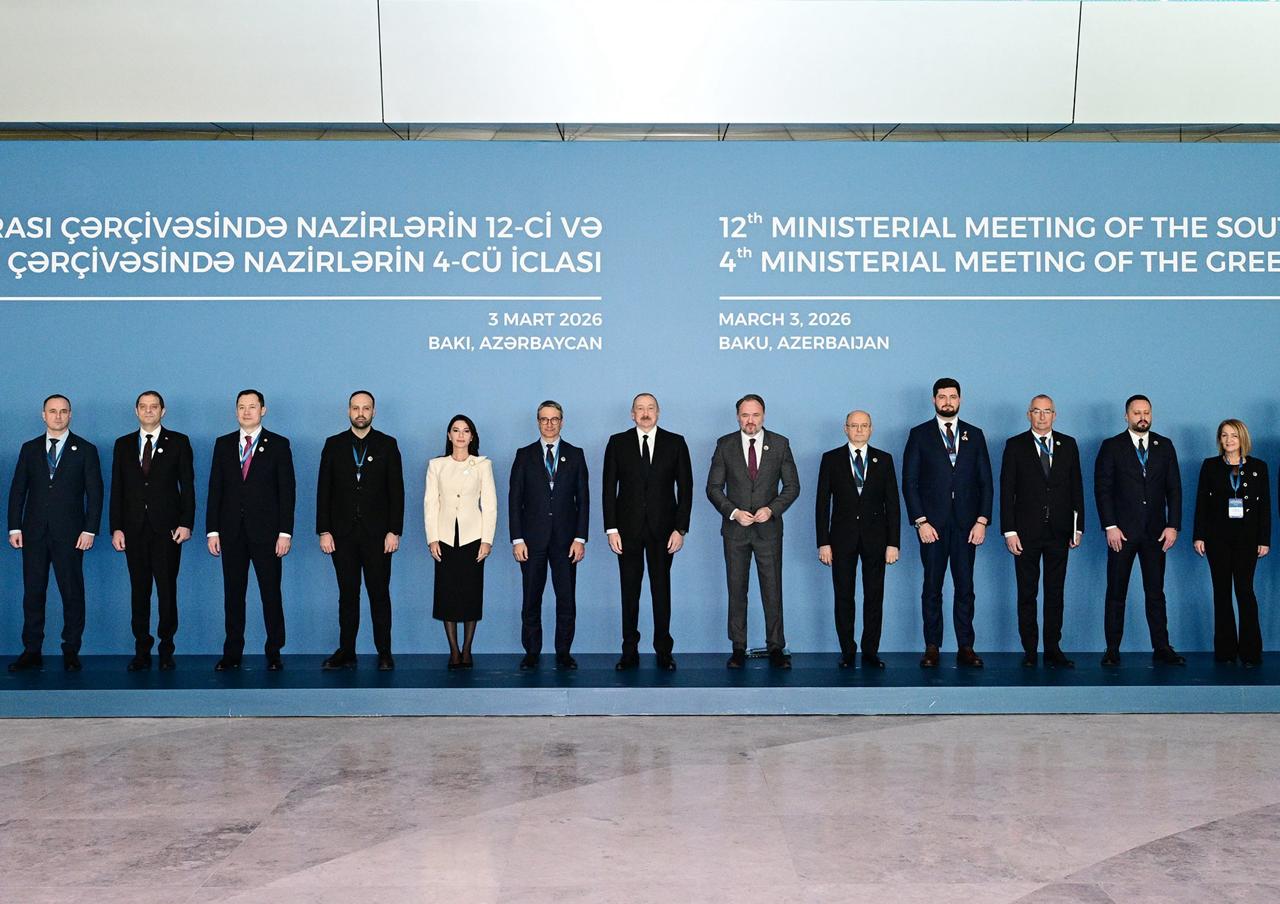
In a world of ongoing energy shocks, skyrocketing market prices and geopolitical insecurity, the Southern Gas Corridor (SGC) is reaffirming itself as a key factor for stability in Bulgaria and Southeast Europe, Caretaker Minister of Energy Traicho Traikov stated during the Ministerial Meeting of the 12th Southern Gas Corridor Advisory Council and 4th Green Energy Advisory Council held in Baku.
The forum was addressed by Ilham Aliyev, President of Azerbaijan, and Dan Jørgensen, European Commissioner for Energy and Housing, and brought together representatives of 27 states, 11 international financial institutions and 49 energy companies.
Almost 40% of Consumption – Guaranteed by a Reliable Partner
“Developing regional gas infrastructure and our long-term partnership with Azerbaijan for natural gas supply are crucial conditions for boosting energy security and source and route diversification,” Minister Traikov stressed.
Today, almost 40% of natural gas consumption in Bulgaria is provided for by Azerbaijan under a 25-year contract. This agreement provides predictability, supply security and competitive price terms for Europe.
In times of instable market, Azerbaijani gas plays a stabilising role – with supply continuing uninterrupted and contractual parameters limiting the effect of spikes in price volatility. This translates to less pressure on businesses and households, greater resilience of the economy and preservation of Bulgarian industry’s competitiveness.
“In crises like this, strategic partnerships prove their true value. Azerbaijan is a reliable long-lasting partner and backbone of our energy stability,” the Minister emphasised.
The Southern Gas Corridor – Strategic Connectivity for Europe
With the Gas Interconnector Greece–Bulgaria becoming operational in October 2022, our country has become an integral part of the infrastructure of the Southern Gas Corridor that connects the Caspian Region to European markets.
Connectivity provides flexibility in crises, access to different sources and more efficient use of transit potential. For Bulgaria, this means not only more secure supply, but also an active role in managing gas streams in the region.
Infrastructure Development and New Strategic Projects
Bulgaria continues its consistent modernisation and expansion of the national gas transmission network and the construction of reverse gas connections with the neighbouring countries in view of an integrated European gas market.
Minister Traikov informed partners of the leading role our country has in building the Vertical Gas Corridor – a project for the South-North Axis which will increase the transit capacity between Greece and Romania by 50%. The initiative is part of the broader diversification strategy in line with REPowerEU and the regional priority for reducing Russian gas dependency by access to LNG and Caspian resources.
Broadening Cooperation
A plenary session titled Southern Gas Corridor: Sustaining Success and Driving the Next Phase of Development of the SGC and an EU-Azerbaijan Green Connectivity Investment Roundtable were held within the forum.
Opportunities to optimise deliveries under the long-term contract, the gasification project for Panagyurishte, implemented by Asarel and SOCAR, as well as the hybrid project for compressed natural gas (CNG) supply, carried out by M-Gas and SOCAR for consumers without access to the gas transmission network were discussed at a meeting with Parviz Shahbazov, Minister of Energy of the Republic of Azerbaijan.
Minister Shahbazov stated that he would appreciate Bulgaria officially joining the Green Energy Corridor Initiative between Azerbaijan, Georgia, Romania and Hungary which includes the Black Sea Submarine Cable project – part of the strategic energy cooperation between the European Union and Azerbaijan within the Global Gateway Initiative. A memorandum for another green corridor – from Azerbaijan through Georgia and Türkiye to Bulgaria – was signed last year, with feasibility study currently being prepared.