Austrian companies confirm their sustainable development in Bulgaria despite the challenges
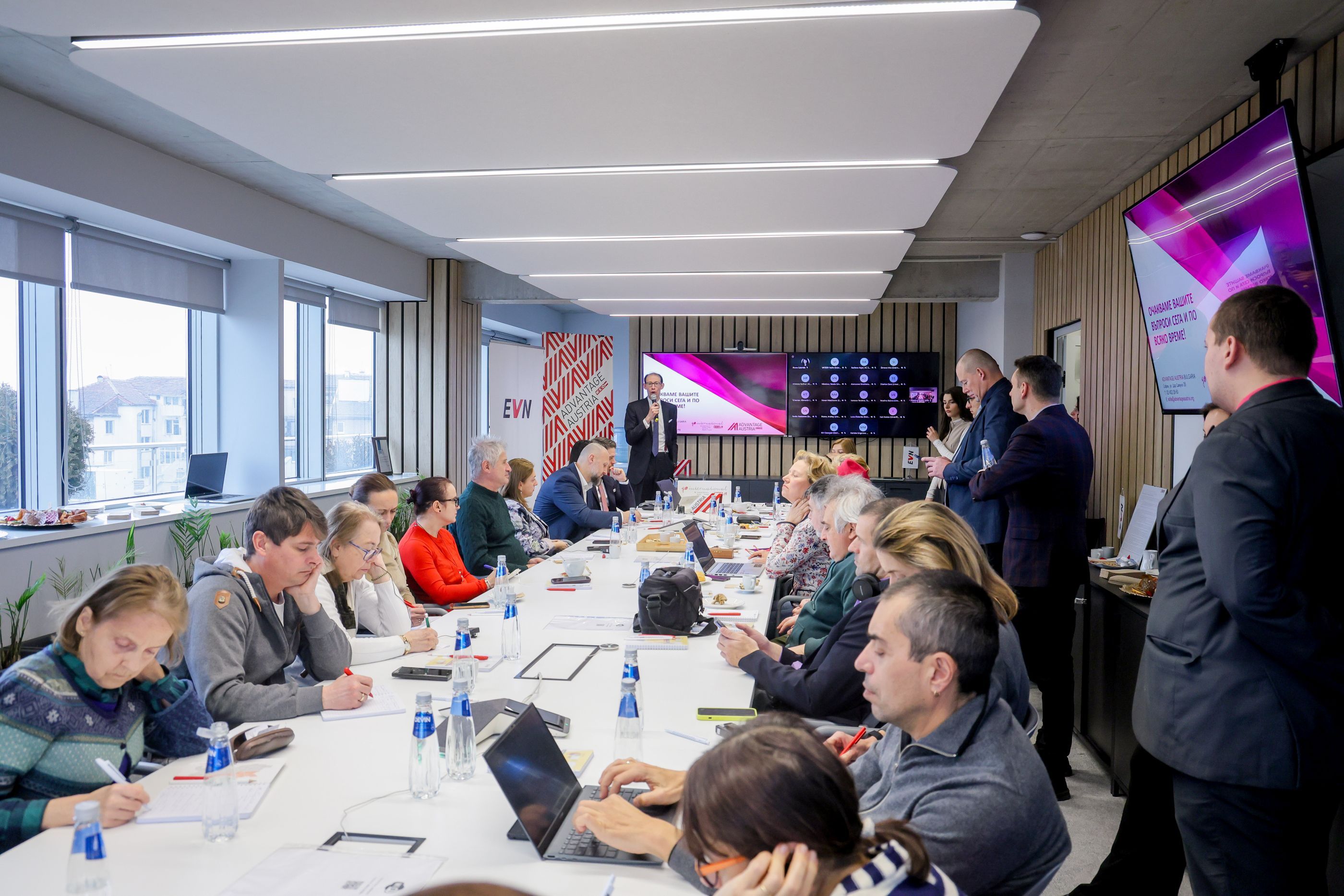
The Austrian Trade Commision, ADVANTAGE AUSTRIA, has announced the results of its annual survey regarding the business climate in Bulgaria. The findings were presented to members of the media, leading companies, and various business organizations.
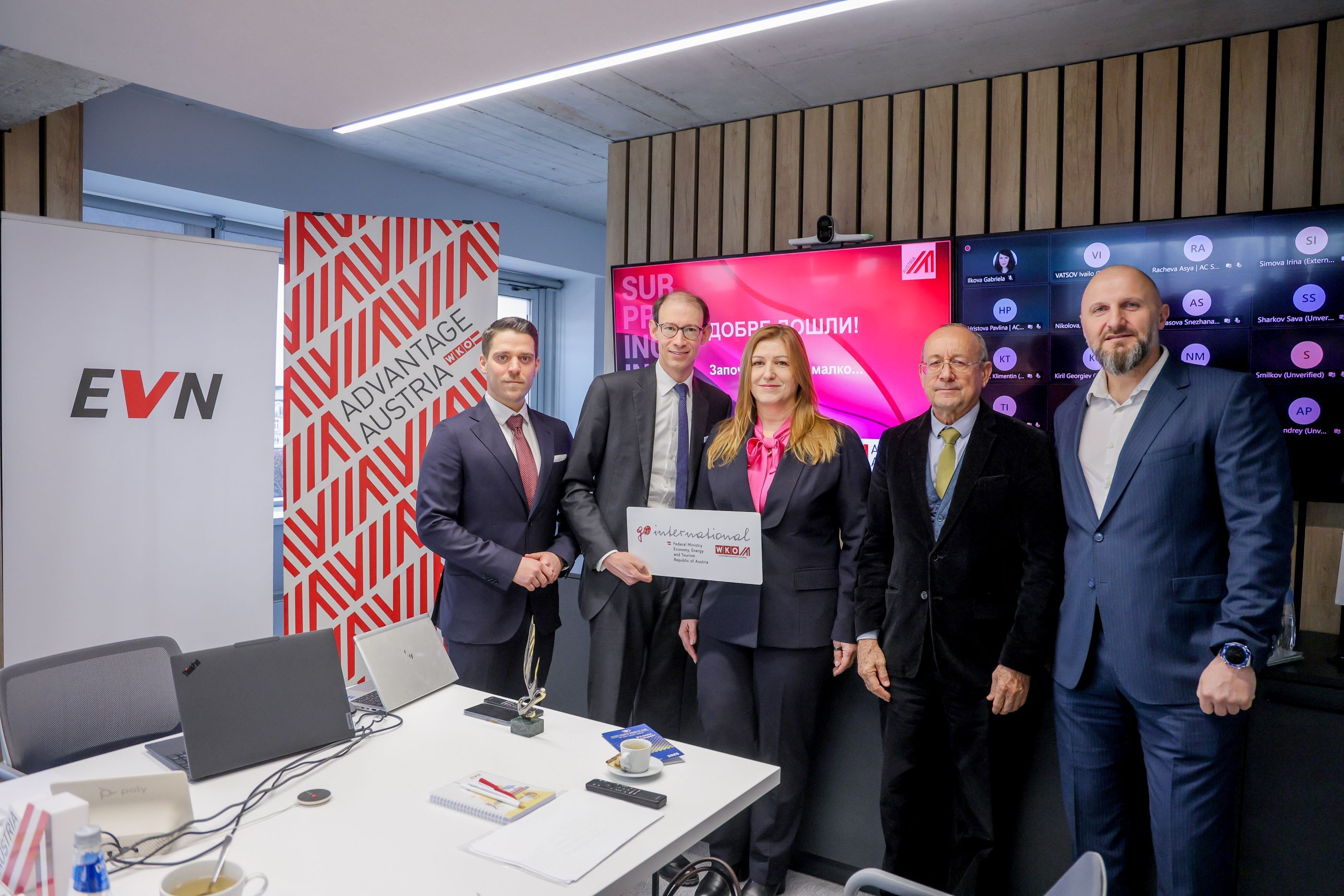
The event featured several prominent figures and business leaders, including: Philippe Kupfer: Commercial Counselor at the Austrian Embassy and Head of ADVANTAGE AUSTRIA and Mr.Tsvetan Simeonov - President of the Bulgarian Chamber of Commerce and Industry (BCCI). Representatives from major Austrian investors in Bulgaria also attended to share their first-hand experiences and insights: EVN Bulgaria Managing Director Dominik Jarmer, Albena Georgieva - CEO of BILLA Bulgaria, Tsanko Milanov - CEO of Wienerberger South Balkans.
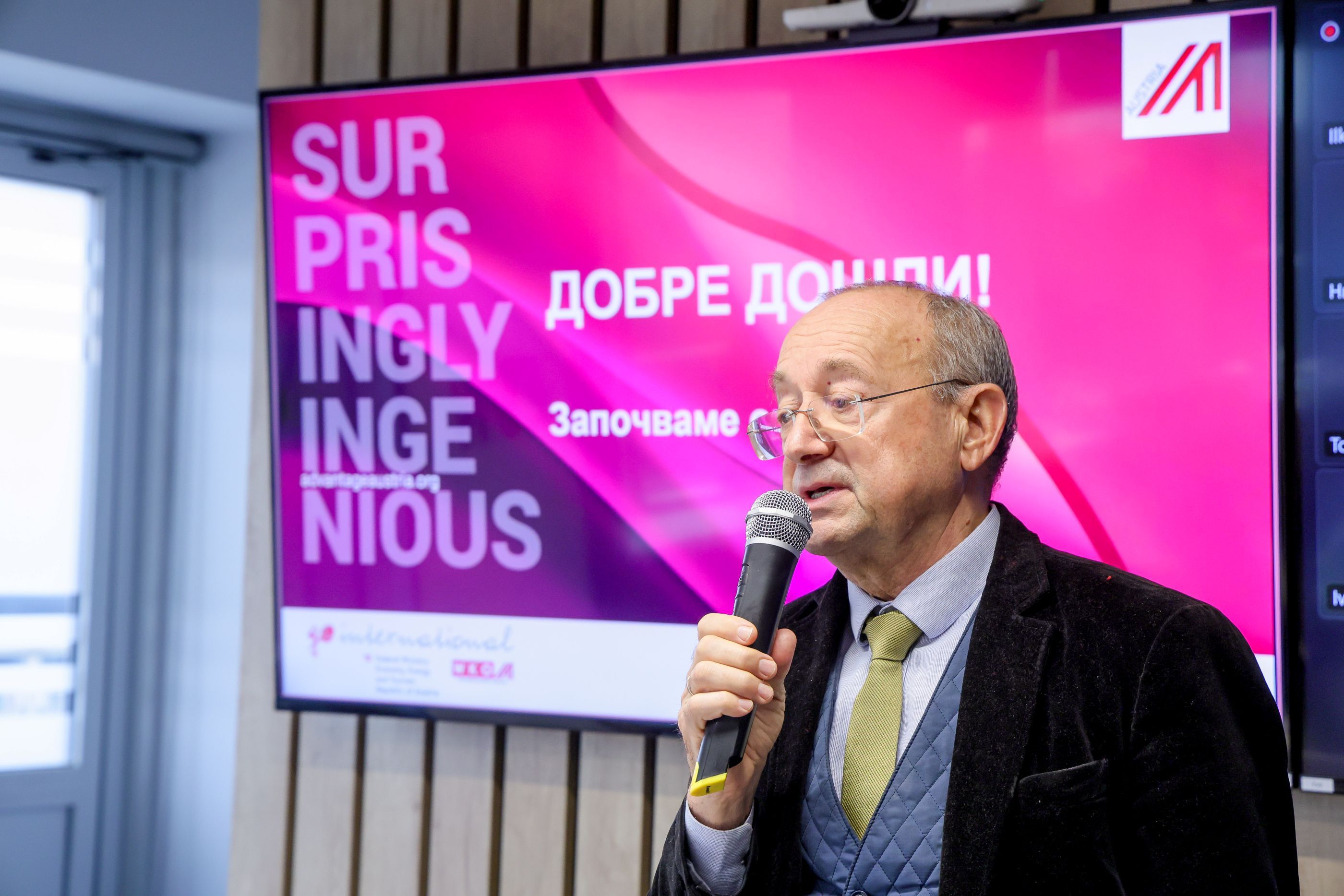
Tsvetan Simeonov, President of the Bulgarian Chamber of Commerce and Industry (BCCI), opened the event with a positive message, thanking the Austrian businesses that participated in the survey. "For non-governmental organizations, the voice of business is vital. There is significant interest in this survey because the environment in the country is very dynamic. With surprises emerging every day, the perspective of businesses is essential. Furthermore, for years, Austria has been among the leading investors in Bulgaria. We are well aware that a large portion of companies intending to invest elsewhere first consult with their compatriots who have already invested," Tsevatan Simeonov added.
Simeonov urged companies—especially those actively working and in constant contact with the Austrian Trade Commission—to send reports to the Bulgarian Chamber of Commerce and Industry regarding weaknesses and inaccuracies related to the economic environment, as well as legal and administrative hurdles and procedures. The BCCI will highly value and responsibly attend to their suggestions and recommendations.
Philippe Kupfer, Commercial Counsellor at the Austrian Embassy in Bulgaria, said during a forum that Austrian businesses fully support Bulgaria's membership in the eurozone, as the single currency facilitates trade, reduces administrative barriers, and sends a strong signal of stability to international investors. The event was dedicated to presenting the results of the annual survey conducted by Advantage Austria in October and November 2025 on the attitudes of Austrian long-term investors in Bulgaria.
Kupfer pointed out that the euro is an asset for international businesses, as it makes imports and exports cheaper and more predictable. Membership in the eurozone encourages the inflow of foreign direct investment, but it is not the only condition for it, as Bulgaria still faces a number of structural challenges, the expert said.
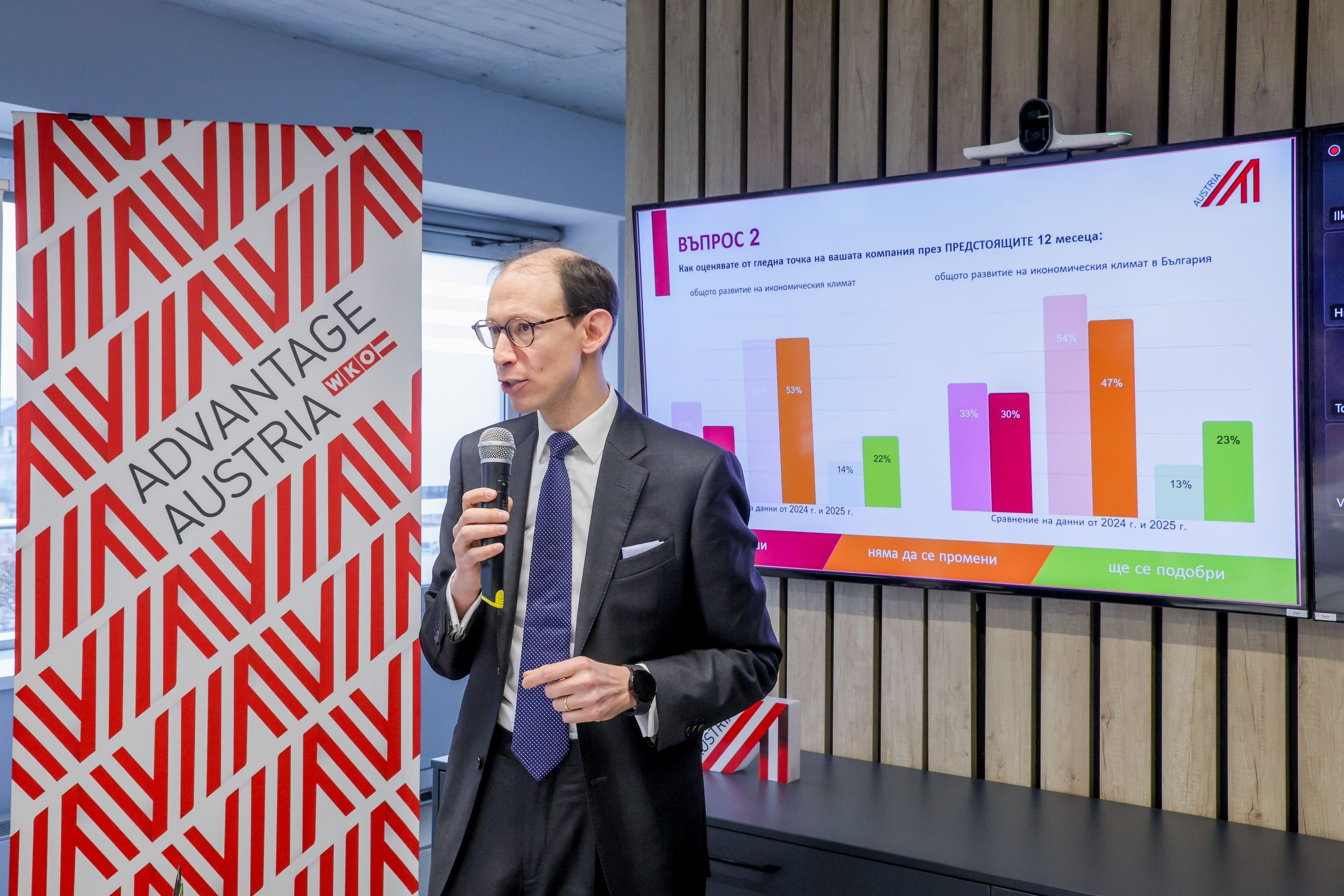
The data from 100 managers of Austrian companies operating in Bulgaria shows a more stable and optimistic assessment of the economic environment compared to 2024. The share of managers who expect an improvement in the economic climate over the next 12 months has increased to 23% compared to 13% a year earlier.
Kupfer praised Bulgaria's economy for being among the fastest growing in the EU in the last quarters of 2025 with growth of 3.4 and 3.2%. He explained the improved sentiment with signs of recovery in German and Austrian industry, as well as Bulgaria's accession to the eurozone.
The survey also reports more optimistic expectations for corporate performance. Nearly half of those surveyed or 49% expect higher turnover in 2025, and 42% expect more orders, compared to 37% a year earlier. Thirty-six percent of participants expect an increase in production capacity utilization. The majority also say they will maintain or increase their number of employees and the size of their planned investments.
Among the main advantages of Bulgaria as an investment destination, Austrian managers highlight the tax system, the quality and availability of local suppliers, access to credit and capital, and timely payments. However, labour costs are no longer perceived as a key competitive advantage. According to Kupfer, wages in the country have increased by about 66% between the third quarter of 2021 and the third quarter of 2025.
The main weaknesses of the business environment are corruption and crime, bureaucracy, poor infrastructure, labour shortages, and a lack of sufficient political stability and predictability in economic policy. According to 96% of those surveyed, the fight against corruption remains a serious problem.
The survey also examines attitudes towards the implementation of artificial intelligence, with the prevailing opinion being that AI-based products and services will develop rapidly.